


The Consequences of Our Everyday Affirmations
“Within the framework of the S10 Academy, we watched a performance on the evening of January 25 that dealt with the impact of childhood trauma. What kind of consequences can these experiences have in adulthood, and how can one cope with them? The play, written by the young author Judit Kiss-Ochtinszky based on true stories, seeks answers to these questions.
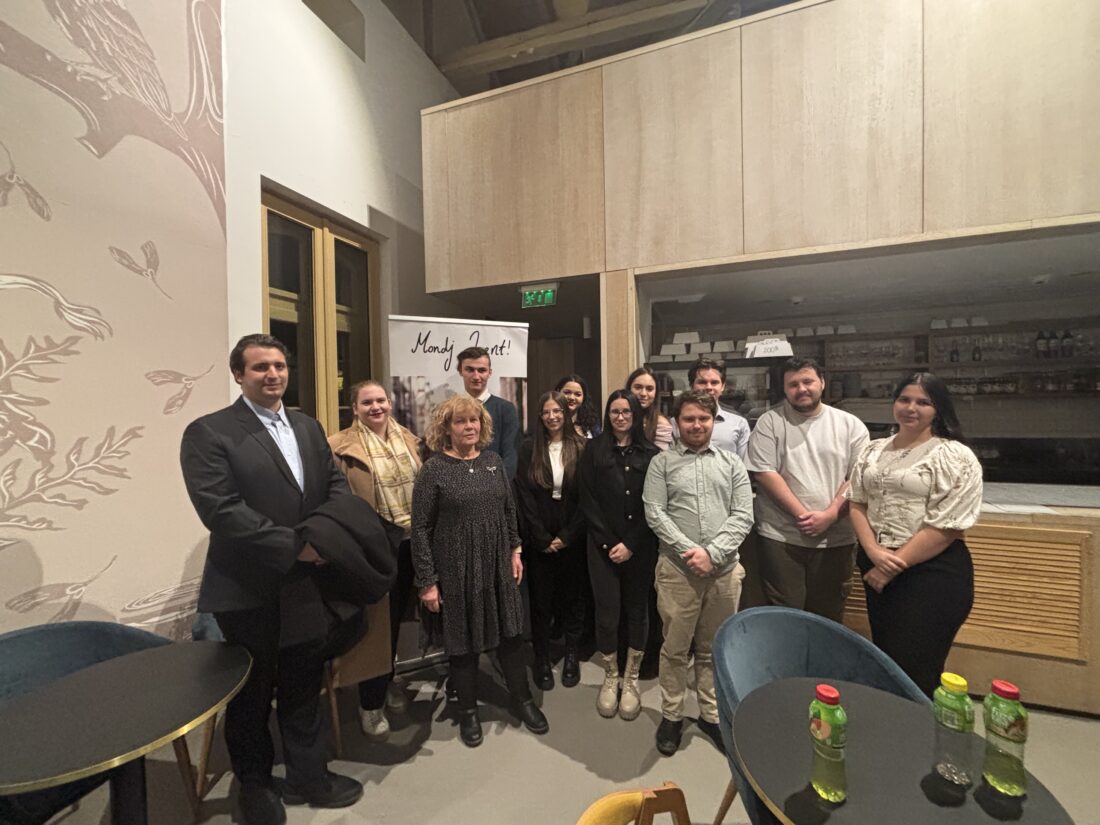
The monodrama performed by Ilona Sárközi-Nagy presents an everyday theme, at times with pain and in many cases with humor, using an ingenious and infinitely simple set. Regarding the actress’s performance, we all thought it was remarkable, excellent acting work. The young author, who was also responsible for the dramaturgy, discusses a problem that affects (nearly) everyone and is very easy to identify with due to our own involvement. What we heard did not surprise us; many of us have lived through, known, or experienced such or similar situations. This is both the virtue and—in my opinion—the disadvantage of the performance. During the play titled Say Yes, I recognized many people in my environment, experienced many things myself in my own stories so far, and have read, seen, and heard a lot about this. Everything was so familiar, and during the listing of everyday clichés, I could reflect as a viewer on why and for how long we do things (wrongly), at what point rebellion occurs, what we say yes to, and what we finally say no to. The performance was followed by a discussion, to which only a very small number of viewers returned after the break. Together with the team, we continued discussing the play in the sobering winter cold and decided that it is worth continuing the conversation about verbal abuse and the overriding of habitual patterns in the second semester at the S10 Academy.” Dominik Antal
“We were given the task by our course leader to try and summarize and characterize the performance we saw in just three words. It was not easy, yet not as difficult as I first believed. The three words rolled out easily, and I consider each of them worth expanding upon: ‘thought-provoking, national soul, heart-wrenching.'” Fruzsina Székelyi