


Fehéren fehér
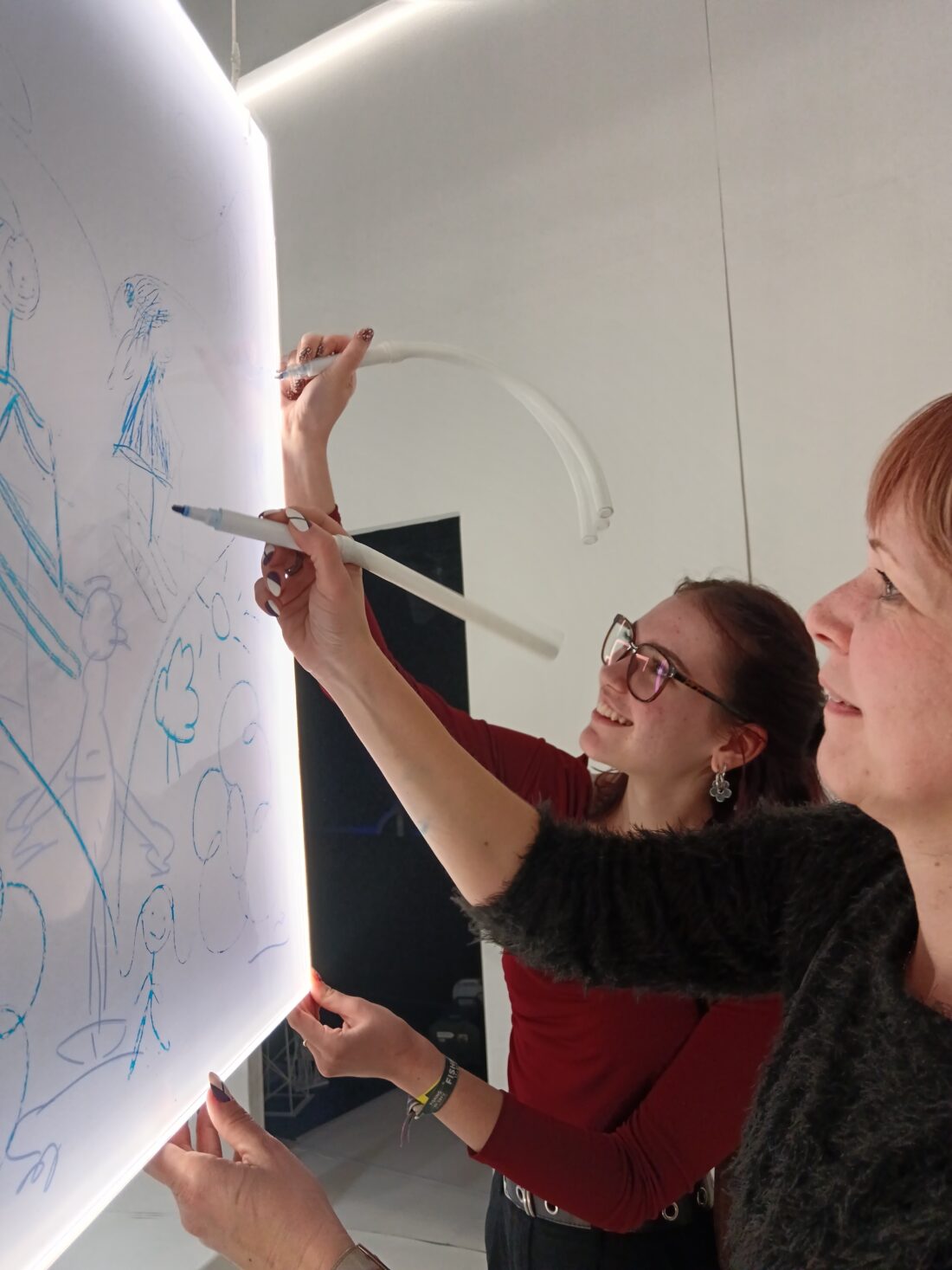
Az idei alapítványi ,,színháztúránkat” a Művészet című darabbal kezdtük. A szatíra három középkorú barát konfliktusát járta körül spirálisan, ahol nem tudtak megegyezni arról, hogy az egyikőjük által vásárolt üres (vagyis fehér – fehér csíkokkal) vászon valóban rendelkezik-e művészi értékkel. Emellett olyan kérdések is felmerültek, hogy a művészet a vásznon, vagy a befogadóban jelenik-e meg, hogy minden műnek van-e mondanivalója, és hogy lehet-e az alkotásokról objektíven beszélni. Ezekkel a moralizáló kérdésfelvetésekkel párhuzamosan betekintést nyerhettünk a baráti társaság dinamikájába és működésébe, ahol két határozott (és rendíthetetlen) véleménnyel rendelkező barát közé esett a harmadik, aki sokszor kettejük veszekedésének a levét itta meg. A színdarab rendhagyó módon zárult, a színészek táblafilcekkel kínálták meg a nézőket, és mi is rajzolhattunk az üres (vagyis fehér – fehér csíkokkal) vásznakra. Ahogy a legtöbbször, ismét sok gondolkodnivalóval tértem haza. Személy szerint nagyon szeretem az olyan színdarabokat, ahol nem feltétlenül kapok választ a központi kérdésre, hanem nézőként teret, és ötleteket kapok a gondolkodásra. Örülök, hogy a Kaposvári Csiky Gergely Színház idén sem fogyott ki ezekből a remek darabokból és a fantasztikus színészekből sem.
Kovács-Nagy Sarolta, K2
Kalmár Tamás, Nyári Oszkár és Fándly Csaba színészek játéka mestermunka – engem ez utóbbi sokszínű és mély érzékenységgel ábrázolt figurája egészen lenyűgözött. Lelkesen szignóztam a bennem zajló érzelmeket az interaktív befejezéskor a hófehér keretben, több napi feldolgozandó gondolattal távoztam, és azzal az elhatározással, hogy Vergiliust s a darab íróját: Yasmina Reza, francia író- színész- dramaturgot (aki nem mellesleg magyar felmenővel rendelkezik) mielőbb elolvasni és megismerni szeretném
Sárközi Angéla, mentor
Egy remek előadás, valóban szatíra, mely egyben egy kiállítás, sőt alkotási lehetőség élményét is kínálja. Zseniális, intenzív, sokszor feszültséggel teli párbeszédek, döbbenetes monológ, igazi szurka-piszkák, irónia, őszinte humor és beszólások jól összeillesztetten, melyek három, huszonéve barátságban lévő férfi közt hangoznak el. „Három teljesen különböző egyéniség, három különböző élethelyzet, élettörténet és egy festmény. Egy olyan festmény, mely fehér alapon fehér csíkos, de ez az üresség képes minden sérelmet, korábban ki nem mondott véleményt, el nem rendezett konfliktust felszínre hozni a három barát közt. A művészetről, annak értelmezéséről szóló vita csak az alap, mely az emberi kapcsolatok, barátság tartalmát, változását segít megfogni, megérteni, és rámutatni, hogy pont olyan abszurd, összetett és ezerféleképpen értelmezhető, vagy éppen teljesen értelmezhetetlen egy barátság mibenléte, mint egy kortárs alkotás. Mindenképp szót kell ejteni a minimalista, letisztult, egyszerű fehér díszletről is, mely lényege, hogy kiemelje a színészek játékát, mégis minden tárgynak megvan a szerepe, csak úgy mellékesen, abszurd módon életre kelnek, kiállítási tárgyakból válnak használati eszközökké, a legfeszültebb helyzetekben is humort szolgáltatva a nézőknek. Nevettünk, szórakoztunk, és közben magunkkal vittük a darab barátságok, kapcsolatok terén felvetett kérdéseit, akaratlanul is elgondolkodtat azon, hogy mit bír ki egy barátság, és leginkább azon, hogy miért bír ki mindent egy barátság.”
Árok-Vörös Ildikó, szülő