


Népművészet a Déryné 6 Galériában
A Csányi Alapítvány Jászsági Közösségi Házában működő Déryné 6 Galéria december 4-én új, karácsonyi hangulatú kiállítással várta az érdeklődőket: ezúttal nem a képzőművészet, hanem a kézművesség került fókuszba. A Jászsági Népművészeti Műhely Egyesület alkotói mutatták be egyedi munkáikat, amelyek mindegyike személyes, hagyományból táplálkozó műhelymunka eredménye.
A megnyitót a jászberényi Viganó Alapfokú Művészeti Iskola fiatal táncos zenészei fergeteges dob- és kaval játéka indította, ami megadta az ide illő hangulatot. Ezt követően köszöntőjében dr. Radoszáv Miklós, a Csányi Alapítvány operatív igazgatója kiemelte, hogy a szervezet számára a hagyományok ápolása és továbbadása alapvető érték. Örömét fejezte ki, hogy a kézműves kultúra ezúttal külön teret kaphatott a galériában.
A megnyitón Lakatos Lilla népdalcsokorral emelte a hangulatot, majd Gál–Dobos Beáta, a Jászsági Népművészeti Műhely Egyesület elnöke beszélt a kisméretű, de rendkívül elkötelezett közösség kilenc éve tartó munkájáról. Mint mondta, a kiállítás egyszerre idézi fel a múltat és jelenít meg modern, újraértelmezett népművészeti irányokat. A műhely célja, hogy a jászsági örökséget friss jelentéssel töltse meg, és így mutassa be a régió motívumkincsét a tágabb közönségnek is.
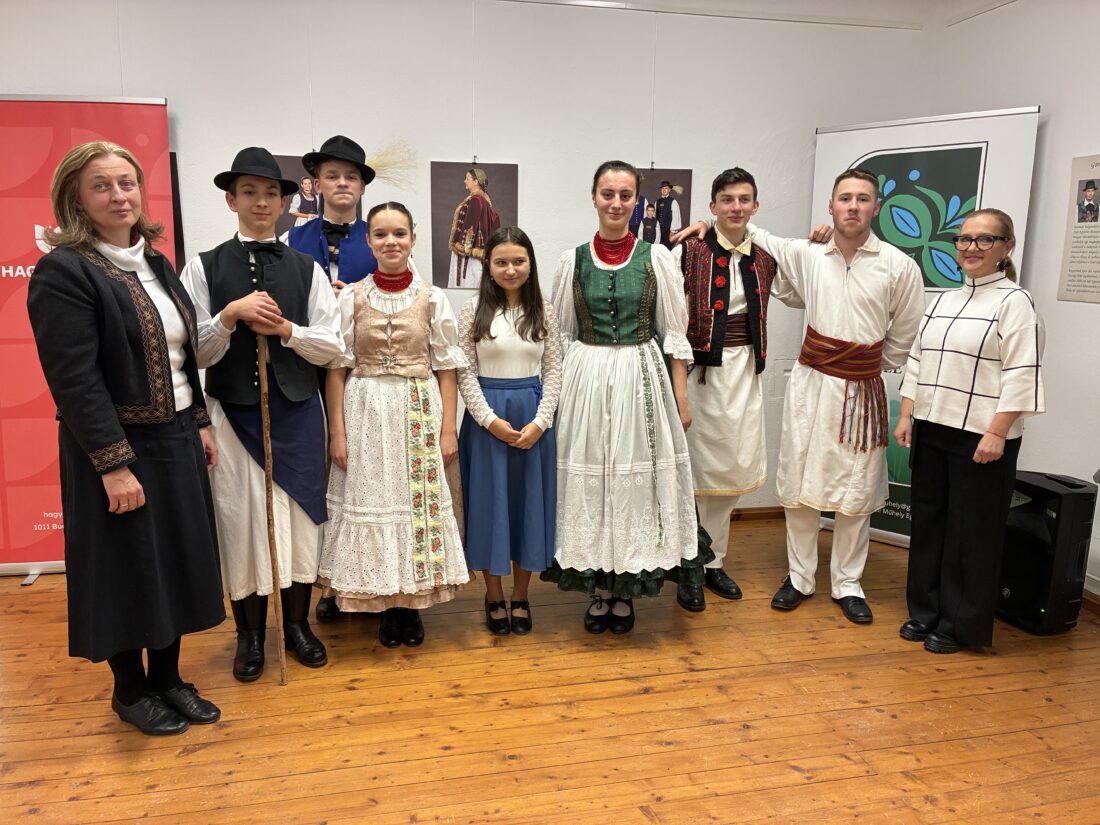
Végül a program zárásaként a Jásztánc Alapítvány fiatal táncosai jászsági táncokkal ajándékozták meg a közönséget.
A jászsági motívumok az egykori hímzőasszonyok – Fehér Mária vezetésével – már évekkel ezelőtt elindították azt a folyamatot, amelynek során a jászsági szűrök díszítései leváltak a viseletekről, és megjelentek különféle használati és dísztárgyakon. Ezt a hagyományt folytatták most tovább az alkotók: digitális tervezési módszerekkel újragondolták és modern köntösbe öltöztették a motívumokat. A közös alkotásban fiatalok és lelkes kézművesek is részt vettek, így a minták ma már nemcsak textileken és ruhadarabokon, hanem fazekas tárgyakon, tűzzománcon, mézeskalácson, kekszeken és kovácsoltvas alkotásokon is visszaköszönnek. A viseletkészítők munkái különösen meghatározóak, ezekről Gorácz József fotói adnak ízelítőt a tárlaton.
A galéria belső termeiben a látogatók sokféle technikát felvonultató alkotásokat láthatnak: vesszőfonás, nemezelés, gépi hímzés, papírfonás, kovácsoltvas tárgyak, fazekasmunkák, tűzzománc ékszerek, zsinórból készült kiegészítők és különleges fejdíszek alkotják a sokszínű válogatást.
A kiállítás december 19-ig várja a látogatókat!
Gratulálunk az Alkotóknak!
Köszönjük a közreműködését a Jásztánc Alapítvány és a Viganó Alapfokú Művészeti Iskola diákjainak!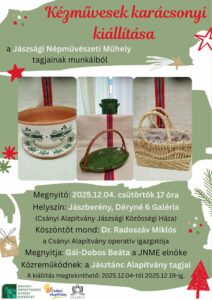
Képek a Galériában!